Greta Perry · 24 September 2026
Riverbend Library Digitizes Community Voices Through Oral History Archive Initiative
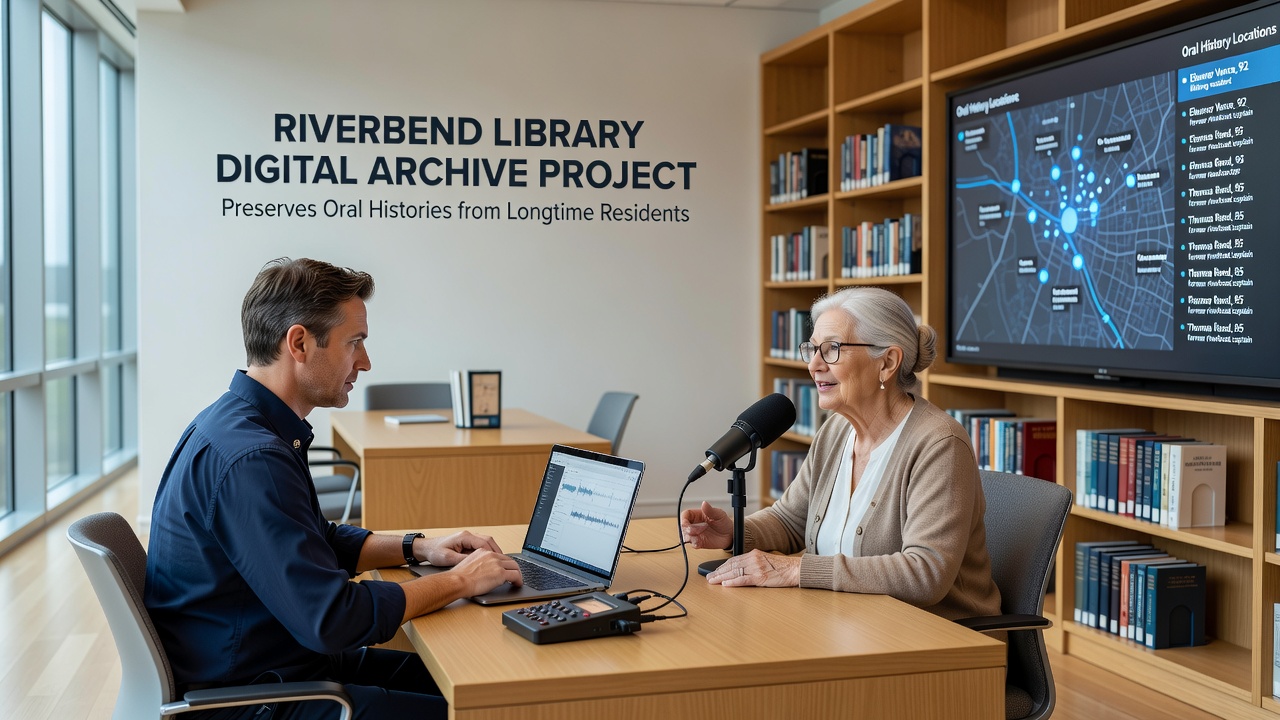
Residents in Riverbend have contributed personal accounts spanning decades of local change, and the library's digital archive project now captures these narratives in searchable audio and transcript formats for public access; the initiative began collecting interviews in early 2024 with support from regional historical societies, and it continues to expand its holdings as more longtime residents share their experiences.
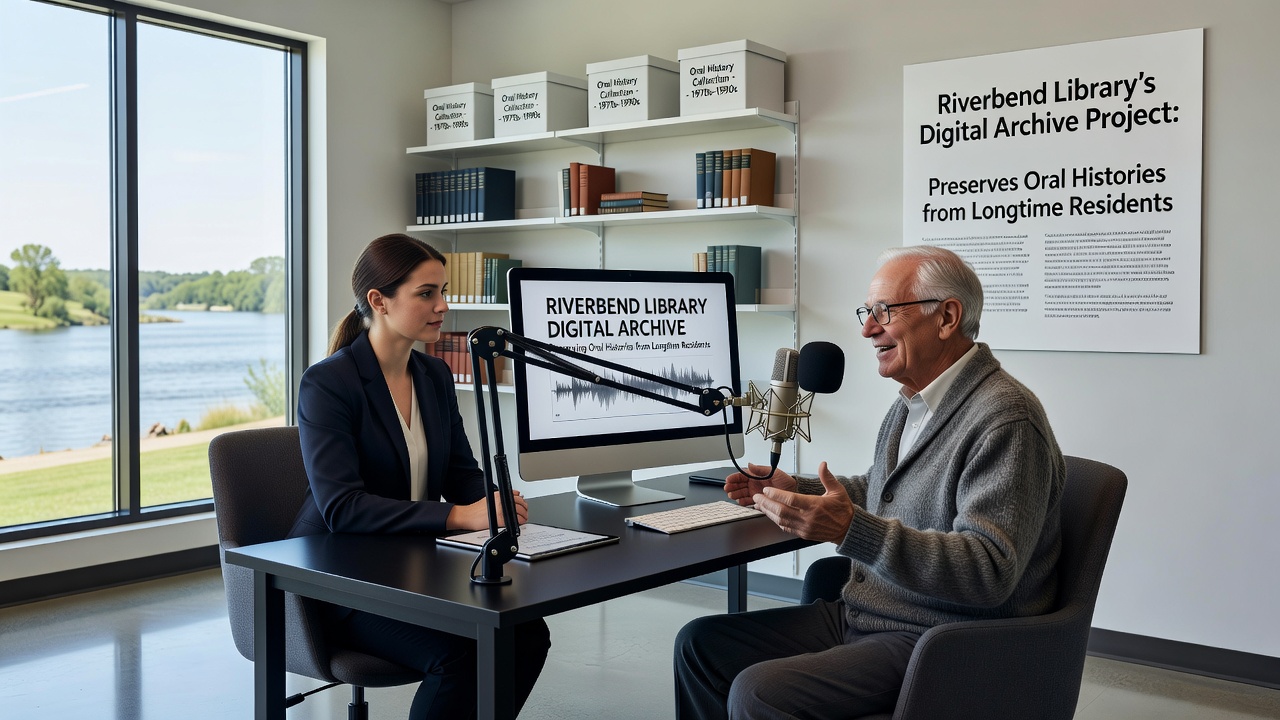
Project coordinators work with volunteers trained in oral history techniques, they record sessions in quiet library spaces or at participants' homes when mobility presents challenges, and each interview receives professional transcription along wth metadata tags for dates, locations, and key themes such as agriculture shifts, school consolidations, and river management practices over time.
Project Development and Community Participation
Library staff first identified gaps in written records during routine archival reviews, they noticed that many events from the mid-twentieth century lacked detailed personal perspectives, and this observation led to partnerships with local genealogy groups that helped recruit narrators; participants range in age from their seventies to nineties, they often discuss family businesses that operated along the main street before commercial development altered the downtown core, and interviewers use open-ended questions to encourage natural storytelling flow.
One case involved a former mill worker who described daily routines at the riverside facility during the 1960s, another featured a teacher recounting classroom adaptations after the 1972 flood, and both recordings now sit in the digital collection alongside photographs and newspaper clippings that provide visual context for listeners.
Technical Infrastructure and Accessibility Features
The archive relies on open-source software platforms that support audio streaming and full-text search within transcripts, staff members apply consistent naming conventions and time-stamp markers so users can jump directly to specific topics, and the system includes caption options for accessibility compliance; data backups occur through secure off-site servers maintained by the state library network, which also supplies periodic software updates.
Researchers from nearby universities have begun incorporating the materials into regional studies, they cite the collection in papers on rural economic transitions, and the library tracks download statistics that show steady growth in access from both local users and remote scholars; according to figures from the American Library Association, similar projects across North America report comparable increases in digital engagement when oral histories receive proper indexing.
Upcoming Milestones and Broader Context
September 2026 marks the scheduled release of an expanded search interface that will allow keyword filtering by decade and subject category, library personnel plan public demonstrations at community centers to introduce the updates, and additional interviews scheduled for the coming year will focus on recent infrastructure projects along the riverfront. Observers note that the archive aligns with national efforts to preserve intangible cultural heritage, while data from the National Library of Australia indicates that audio collections gain wider usage when paired with educational outreach programs.
Volunteers continue outreach through local radio spots and senior center visits, they distribute consent forms that explain usage rights and privacy protections, and feedback sessions help refine interview protocols based on narrator comfort levels. The collection currently holds over one hundred hours of material, with plans to add bilingual summaries for segments that reference immigrant experiences from earlier settlement waves.
Conclusion
The Riverbend Library digital archive project demonstrates systematic preservation of firsthand accounts that complement existing municipal records, it connects current residents with earlier generations through accessible technology, and ongoing contributions ensure the resource grows as a reference point for future historical inquiry.